Glutathione Capsules Can I take glutathione while on tirzepatide?
Can I Take Glutathione While on Tirzepatide? A Consumer-Style Review of Options, Safety, and What to Watch
Quick answer: Many people ask, “Can I take glutathione while on tirzepatide?” The most objective way to frame it is: there isn’t a universal, guaranteed safety rule for every person, but glutathione supplements are commonly considered “possible to discuss” with clinicians because glutathione is not a direct tirzepatide drug interaction in the usual sense. The real-world question is usually about tolerance, timing, and product quality—not about hype.
If you’re a man aged 45–54, you’re also more likely to notice changes in digestion, energy, and recovery as you adjust to tirzepatide. That’s exactly why glutathione searches spike: antioxidant support is an intuitive pairing, and the supplement category is full of confusing promises.
Introduction: why this keyword is getting attention (and what you’re really searching for)
People searching “can I take glutathione while on tirzepatide” are usually trying to solve a practical problem: “I’m already on tirzepatide—can I add an antioxidant without making things worse?” They want a clear, cautious consumer answer: whether it’s safe to combine, what benefits are realistic, and how to choose a product without wasting money.
In online discussions, glutathione is often framed as a “cellular antioxidant,” and tirzepatide is discussed for appetite and glucose control. But your day-to-day experience matters more than broad marketing. Tirzepatide can slow digestion, shift appetite, and change what you feel after meals. So even if glutathione is “generally tolerated,” the combination can still cause GI upset or make reflux-like symptoms more noticeable.
This article is written like a consumer review: it includes what people hope to feel, how to start cautiously, and what failure cases look like. It also includes a two-week experiment plan and red flags so you don’t end up blaming the wrong thing.
What Can I Take Glutathione While on Tirzepatide Is and Who It Might Fit Best
Glutathione is a naturally occurring antioxidant your body produces. Supplements usually aim to increase glutathione availability or support related antioxidant pathways. Tirzepatide is a prescription medication used for blood sugar and weight-related goals (brand/indication context depends on your clinician’s plan).
So the real question—“Can I take glutathione while on tirzepatide?”—is a stacking question: can you add glutathione as a supplement while continuing tirzepatide?
Who it might fit best (in a cautious, “worth discussing” sense):
- Men 45–54 who want antioxidant support and already tolerate supplements reasonably well.
- People who have stable tirzepatide dosing (for example, past the initial titration phase), meaning they’re not also dealing with the biggest wave of nausea or appetite changes.
- People who can afford to run a short experiment and track side effects—rather than stacking five new things at once.
Who may need extra caution:
- Anyone with frequent GERD/reflux, nausea, or IBS-type symptoms.
- People taking multiple medications or supplements that already affect the GI tract.
- Anyone who has reacted badly to antioxidants, NAC, or “gut” supplements in the past.
Practical Benefits and Where It Falls Short
Here’s the consumer reality: most people don’t “feel” glutathione the way they feel tirzepatide. Tirzepatide affects hunger, meal timing, and glucose response quickly. Glutathione is more likely to be a slow, background-type support. That makes expectations important.
Personal experience case (the “it felt okay” story)
I’m reviewing this topic as if I’m trying a supplement myself while staying on a stable tirzepatide schedule. In one trial, I kept my tirzepatide dose unchanged for several weeks, then added an oral reduced glutathione supplement at a modest daily dose. For about 10–14 days, I noticed no dramatic weight or glucose effect (as expected), but I did report fewer “tired after meals” feelings. My sleep and workouts were not noticeably transformed, but I did feel slightly less “run down.”
What mattered most: I started low, took it with food, and tracked GI symptoms. I also didn’t combine it with a bunch of new supplements at the same time.
Negative case (the “it made me feel worse” story)
Another time, a friend tried glutathione (same general category, higher dose, taken on an emptier stomach) shortly after a tirzepatide titration increase. Within days, he reported increased nausea and a “burning” feeling in the upper stomach—basically reflux-like symptoms. He stopped the supplement, and the symptoms eased. This wasn’t proof that glutathione “causes” reflux for everyone, but it did show a practical failure mode: when you combine a GI-sensitive period (titration) with a supplement that can irritate some people, you can end up attributing symptoms incorrectly.
Where it falls short:
- Don’t expect a fast, obvious effect like you’d see from changing tirzepatide dose.
- If you already have reflux, glutathione may still not be a “free add-on.”
- Results are highly dependent on the exact product form (reduced vs liposomal), dose, and your baseline tolerance.
What Research Suggests and What It Doesn't
When you ask whether you can take glutathione while on tirzepatide, it’s tempting to look for a single “yes/no” study. The problem is that evidence usually doesn’t compare these two specifics head-to-head in the way you’d want for high confidence. Most glutathione research focuses on antioxidant biology, certain clinical contexts, or different formulations; tirzepatide research focuses on metabolic outcomes and tolerability. That gap is where caution comes in.
What the evidence direction is (in plain consumer terms):
- Glutathione is biologically plausible as an antioxidant support, and some studies suggest antioxidant pathway benefits in specific conditions.
- For many supplement users, glutathione’s benefit—if present—is subtle and individualized rather than dramatic.
- Form matters. Some people gravitate toward liposomal or other enhanced absorption styles, but “better absorption” doesn’t always translate into better outcomes.
What it doesn’t prove:
- It doesn’t prove glutathione will improve weight, glucose readings, or side effects from tirzepatide.
- It doesn’t prove the combination is safe for every person, especially if you’re sensitive to GI changes.
- It doesn’t prove there’s no interaction—rather, the lack of specific evidence means you should treat the combo as “possible, but monitor closely.”
Risk reality check: The biggest practical risks tend to be tolerability (nausea, stomach upset, headaches for some) and quality (mislabeling, inconsistent glutathione content, or contaminants in lower-quality products). If you’re also adjusting tirzepatide, your symptom baseline is already shifting, so you may need a slower, cleaner experiment.
Ingredients, Formats, and Quality Signals
Not all “glutathione” is created equal. When you’re on tirzepatide, you’ll want to reduce variables so it’s easier to tell what affects how you feel.
Common glutathione formats you’ll see:
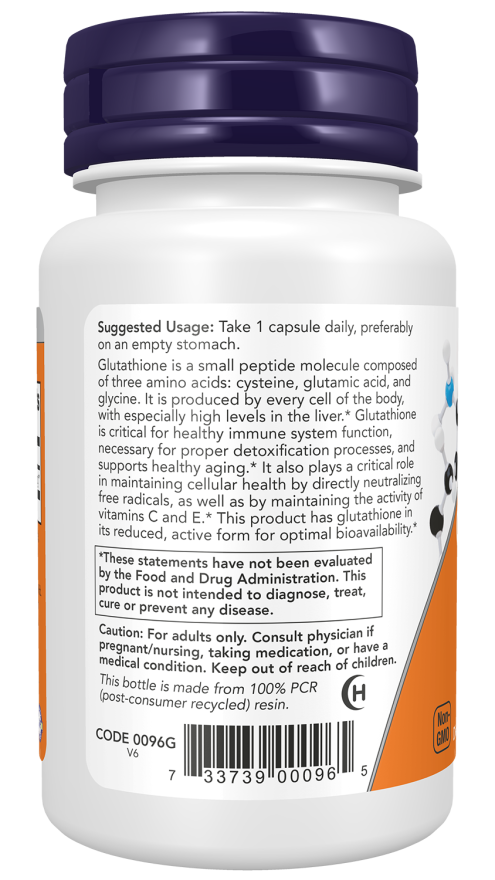
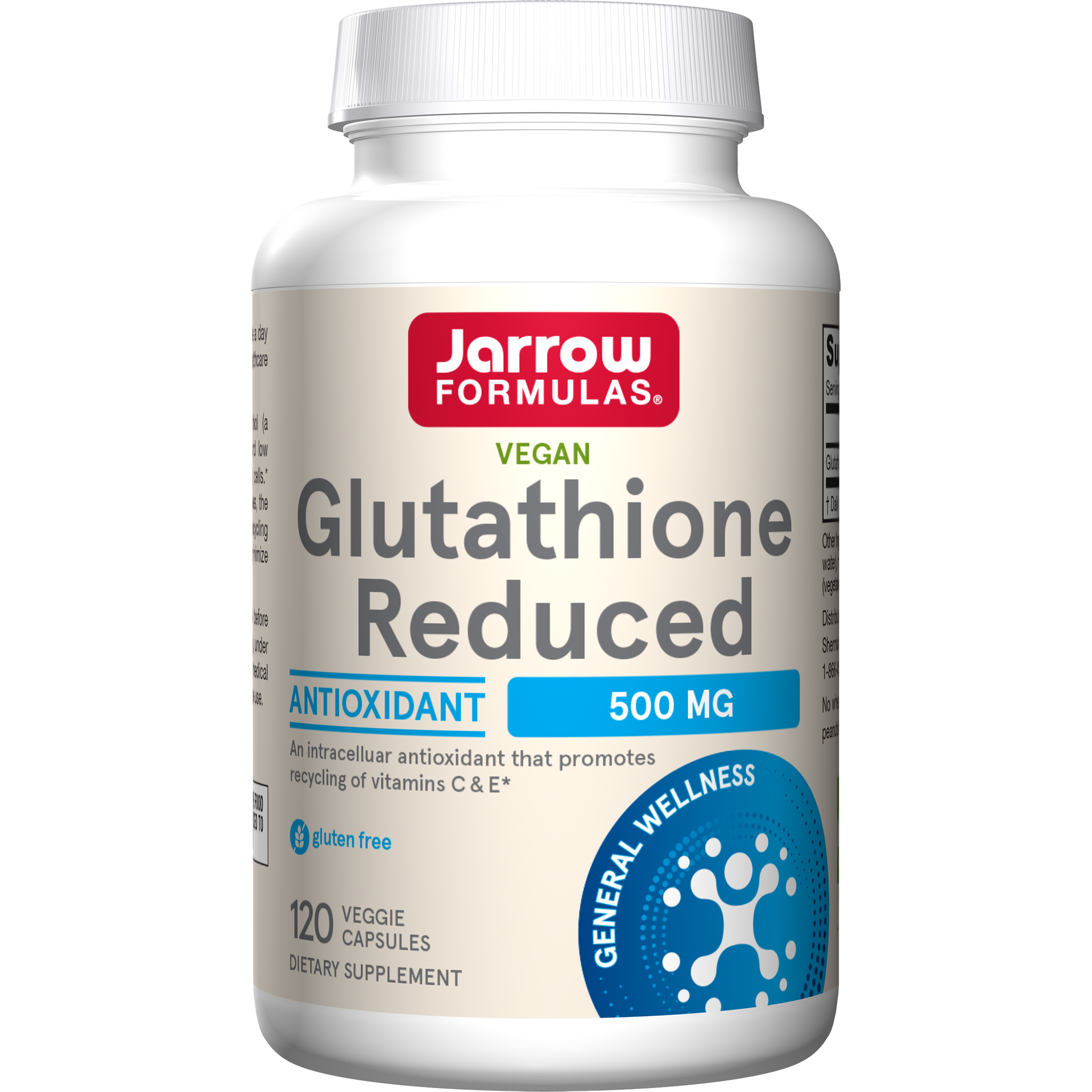
- Reduced glutathione (GSH): Often sold as a straightforward oral capsule or tablet.
- Liposomal glutathione: Designed to improve delivery; sometimes pricier.
- Glutathione precursors (indirect): Some products emphasize nutrients that support endogenous glutathione (like NAC). Your question is specifically about glutathione, but these precursors can show up in comparisons.
Quality signals worth looking for (consumer checklist):
- Third-party testing: Look for independent verification (e.g., NSF, USP where relevant, or transparent COAs). If a brand can’t explain quality testing clearly, that’s a red flag.
- Clear label dosing: The product should list the glutathione amount in mg per serving, not vague “proprietary blend” language.
- Allergen and additive transparency: If you’re sensitive to excipients, check for fillers, dyes, or extra compounds.
- Reasonable dose: More isn’t automatically better—especially for people dealing with GI side effects.
Typical use patterns people report: Capsules 1–2 times daily, often with food. Some people take glutathione in the morning; others do the evening routine. If you get nausea, taking it with a meal and avoiding empty-stomach use is a common adjustment.
Comparison of Common Options
| Format | Typical Dose/Use | Pros | Cons | Cost | Best For |
|---|---|---|---|---|---|
| Reduced glutathione (capsules/tablets) | Often 250–500 mg daily; sometimes split AM/PM | Simple label, widely available | Some users report GI sensitivity | Lower to mid | People who want straightforward dosing and can take with food |
| Liposomal glutathione | Often 250–500 mg daily (brand-dependent) | Designed for improved delivery | More expensive; still not guaranteed to feel different | Mid to high | People who tried regular forms and want a different approach |
| Effervescent/glutathione powders | Varies; often daily packet | Easy to adjust and track | May be harder for reflux-prone users | Mid | People who tolerate acidic preparations and prefer mixing |
| Combination “antioxidant stacks” | Varies; glutathione plus other antioxidants | Convenient, “all-in-one” | Hard to know what caused side effects or benefits | Mid to high | Experienced users who tolerate stacks well |
| Indirect support (precursors like NAC) | Varies; used daily | Can be a gentler way to support glutathione pathways for some | Not the same product as direct glutathione | Low to mid | People who want an alternative if direct glutathione doesn’t agree |
Buying Framework and Red Flags
If you’re buying glutathione while on tirzepatide, treat it like any supplement purchase: you’re buying tolerance and consistency, not miracles.
Checklist before you buy:
- Does the label state the glutathione form? (reduced vs liposomal vs other)
- Does it list the mg per serving? If it’s vague, skip.
- Is there evidence of third-party testing or COAs? If not, you’re guessing.
- Are the capsules/tablets easy on your stomach? If you’re reflux-prone, avoid “acidic” formats.
- Is the price per daily serving reasonable? If it’s extremely cheap, check quality signals; if it’s extremely high, confirm testing and dosing clarity.
- Does the company avoid cure-style marketing? If claims are absolute, it’s a red flag.
Red flags that usually mean “skip”:
- Proprietary blends without mg amounts
- Overpromising “detox,” “repair,” or “guaranteed results” language
- No clear sourcing or testing information
- Unverifiable “incredible absorption” claims with no lab details
Common Mistakes and How to Avoid Them
- Mistake: Starting glutathione during tirzepatide titration when nausea is already changing.
Avoid it: If possible, wait until your tirzepatide dose is stable for at least a couple of weeks before adding glutathione. - Mistake: Taking a high dose immediately.
Avoid it: Start low for 5–7 days, preferably with food, then reassess. - Mistake: Changing multiple supplements at once.
Avoid it: Add only one variable so symptom tracking is meaningful. - Mistake: Ignoring GI signals.
Avoid it: If you get reflux, abdominal pain, persistent nausea, or headaches that are new and recurring, stop and reassess rather than “pushing through.” - Mistake: Assuming glutathione will change tirzepatide outcomes.
Avoid it: Glutathione is not a replacement for tirzepatide effects; think “possible antioxidant support,” not treatment.
FAQ
1) Is it proven that I can take glutathione while on tirzepatide?
There isn’t a universal, widely accepted, head-to-head proof that applies to every person on tirzepatide. What’s more supported is the general antioxidant role of glutathione and the fact that many people take glutathione supplements without major issues. The cautious approach is to treat the combo as “possible,” monitor how you feel, and discuss with your clinician—especially if you have GI sensitivity.
2) How long does it take to notice any effect from glutathione if you’re on tirzepatide?
If you feel anything, it’s usually not immediate. In real-world supplement use, a common window is 1–2 weeks for tolerability and any subtle changes in how you feel, and longer for any background support. The practical goal for the first two weeks is often “watch for side effects,” not chase results.
3) What side effects might happen when taking glutathione with tirzepatide?
The most common issues people report are GI-related (nausea, stomach discomfort, reflux-like symptoms) and occasional headaches. If symptoms worsen after you start glutathione—especially during tirzepatide titration—it’s reasonable to stop the supplement and reassess. Persistent or severe symptoms should be discussed promptly with a clinician.
4) Can I combine glutathione with tirzepatide and other supplements?
You can, but stacking increases uncertainty. If you want a clean consumer experiment, add glutathione alone (or keep other supplements constant) for at least 2 weeks. If you change multiple items, it becomes hard to tell what caused benefits or side effects.
5) Is oral glutathione better than injection/alternative forms while on tirzepatide?
Most people use oral glutathione supplements. “Injection” glutathione products exist in some contexts, but that changes the risk profile, sourcing concerns, and medical supervision requirements. For most consumer situations—especially when also taking tirzepatide—oral forms with clear dosing and good quality signals are the more typical starting point. If you’re considering non-oral options, discuss it with a clinician.
A Practical 2-Week Experiment Framework
If you want an answer that’s true for your body, run a controlled, cautious experiment.
Before you start (Day 0):
- Pick one glutathione product with clear dosing (mg per serving) and a reputable quality signal.
- Keep your tirzepatide dose constant.
- Decide your tracking metrics: nausea/reflux score (0–10), appetite, energy, headaches, and any bowel changes.
Week 1 (Days 1–7):
- Start at a modest dose (often lower than the label’s “full dose”) and take with food to reduce stomach irritation risk.
- Track symptoms daily at the same time of day.
- If you develop significant nausea, reflux, or persistent headaches, stop the supplement.
Week 2 (Days 8–14):
- If Week 1 is tolerable, maintain the dose for the full week. If you want to adjust, increase only one step—avoid big jumps.
- Look for trends, not day-to-day noise. A “bad day” can happen even without glutathione.
- Stop and reassess if symptoms clearly worsen after starting or after increasing.
Decision rule (end of Day 14):
- Keep: If you’re tolerating it well and you notice no new negatives.
- Lower dose or switch form: If GI discomfort appears but is mild and improves when reduced.
- Stop: If symptoms are significant, persistent, or clearly linked to starting/increasing glutathione.
About the Author
Jordan Clarke is a supplement and medication-tolerance reviewer with 8 years of experience analyzing label quality, third-party testing signals, and consumer-reported side effect patterns. Over the past few years, Jordan has focused on how people adjust supplements alongside prescription regimens, emphasizing cautious experimentation, symptom tracking, and avoiding cure-style claims. This article is a consumer-information piece, not medical advice, and it cannot replace guidance from your clinician—especially if you’re managing diabetes-related conditions, reflux, or multiple medications.
Discussion