Pay in installments of $6.82 with
 ,
,
 and
and

Shipping Estimate
USA
- USA
- CAN
- USA
- CAN
Ships within 48 hours · Estimated delivery Jul 30 - Aug 4
 Promo Codes Available:
For Your Every Summer RSVP, with Code: SUMMER15
Description
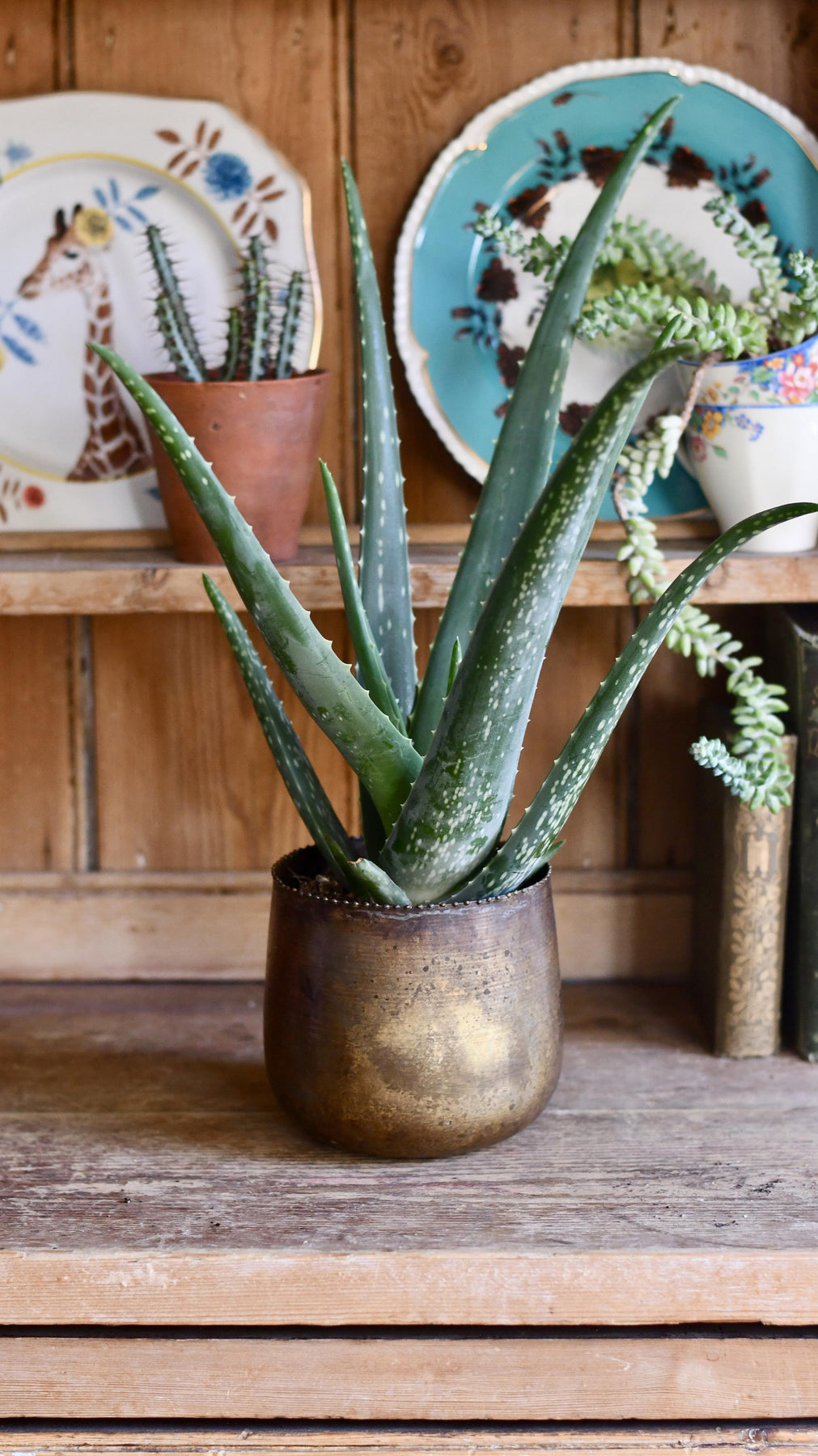
aloe vera plant for home Small Aloe Vera Plant | Succulent Indoor Plant DeliveredWe love the Aloe vera plant for its sculptural, exotic look and its enduring popularity as one of the most famous succulents in the world. This small Aloe vera is the perfect size for shelves, desks, or tabletops an easy care plant that brings beauty, relaxation, and a touch of natures pharmacy into your home. Buying it as a gift? Add a message at checkout and well include a free handwritten card. No prices or paperwork will be enclosed, so it arrives
We love the Aloe vera plant for its sculptural, exotic look and its enduring popularity as one of the most famous succulents in the world. This small Aloe vera is the perfect size for shelves, desks, or tabletops — an easy-care plant that brings beauty, relaxation, and a touch of nature’s pharmacy into your home.
Buying it as a gift? Add a message at checkout and we’ll include a free handwritten card. No prices or paperwork will be enclosed, so it arrives as a thoughtful surprise.
Native habitat and growth pattern
Aloe vera is native to the Arabian Peninsula but now grows wild in tropical and subtropical climates worldwide. A sun-loving succulent, it stores water in its thick, fleshy leaves and has been cultivated for centuries for both its beauty and medicinal uses. Indoors, this small Aloe vera will remain compact, gradually growing taller and fuller over time.
Size
W10.5cm x H30cm. Supplied in a plastic nursery pot.
Styling tips
-
Perfect for desks, bedside tables, or windowsills
-
Works beautifully in modern or minimalist interiors with its clean, sculptural look
-
Combine with other succulents and cacti for a striking display
-
Ideal as a small but meaningful houseplant gift
Aloe vera care guide
Light requirements:
Aloe vera loves bright light and will thrive in a sunny windowsill.
Watering:
Water sparingly — allow the soil to dry completely between waterings. From late autumn to early spring, reduce watering to almost none.
Feeding:
Feed once a month during spring and summer with a suitable fertiliser. Our vegan, organic Indoor Plant Food, made from sustainably harvested seaweed, is ideal for supporting healthy growth.
Humidity:
This succulent thrives in dry conditions and does not need extra humidity.
Pet safety:
Best kept out of reach of cats and dogs, as it can cause tummy upsets if nibbled.
Propagation:
Aloe vera produces “pups” or offsets at the base, which can be separated and grown into new plants.
Why choose Aloe vera?
-
Aloe vera is one of the most iconic and enduring houseplants worldwide
-
A sculptural, low-maintenance succulent for any bright room
-
Compact size makes it ideal for small homes, flats, or offices
-
Aloe vera has a long history of medicinal and skincare use
-
A thoughtful, affordable houseplant gift that always impresses
FAQs
Does Aloe vera need a lot of sunlight?
Yes — it thrives on bright, direct sunlight, making it perfect for a sunny windowsill.
How often should I water Aloe vera?
Only when the soil is completely dry. In winter, it may not need water at all for several weeks.
Can I use Aloe vera gel straight from the plant?
Yes — Aloe vera gel is well known for soothing minor burns and skin irritation. However, avoid ingesting it without proper preparation.
Is Aloe vera safe for pets?
No — it’s best to keep it away from cats and dogs, as chewing the leaves can upset their stomachs.
Explore More
Looking for more vibrant and easy-to-grow greenery? Browse our Easy Care Houseplants for beginner-friendly options, or explore our Tropical Indoor Plants for bold foliage and rainforest style. For detailed plant care guides, tips on watering and dormancy, and expert advice, visit the Happy Houseplants blog.
To keep your plant thriving, feed once a month during spring and summer with our vegan, organic Original Plant Food, specially formulated for healthy growth and lush foliage.
Shipping Notes
- Free Standard Shipping on $100+ Orders to the USA.
- Except Preorder products are shipped in 48 hours.
- Delivery to the USA:
- Standard Shipping : 3-10 business days
- If time is of the essence, please consider selecting expedited delivery for faster service.
Exchange/Return Notes
- We offer a 30-day return/exchange service after receiving.
- Final sale items are not eligible for returns or exchanges.
- To process your return/exchange, please contact us at [email protected]
- Please click here for more details>>> Return & Exchange Policy