Glutathione And Alcohol What should you not mix with glutathione?
What Should You Not Mix With Glutathione? A Cautious Consumer Guide for Women
Glutathione has quietly become one of the most searched wellness supplements among women who are building “routine stacks” rather than taking one-off treatments. In my inbox and in comment sections, the same long-tail concern keeps showing up: what should you not mix with glutathione? People don’t just want to know what it is—they want to avoid accidental crossovers with products that could worsen side effects, interfere with medications, or simply make the routine feel worse than it should.
If you’re 35–44, you’re also more likely to be balancing multiple things at once: stress, sleep debt, perimenopause-related changes, and (for many) at least one medication or regular supplement habit. That’s why this topic feels urgent. This article is written like a consumer review: objective, cautious, and focused on practical risk reduction—without promising guaranteed results.
What What Should You Not Mix With Glutathione Is and Who It Might Fit Best
Glutathione is a naturally occurring antioxidant in the body. Some people choose to take it as a supplement because they want more antioxidant support and an easier daily habit than trying to “micro-manage” diet. In supplements, you’ll usually see glutathione in forms like reduced glutathione, liposomal glutathione, glutathione plus vitamin C, or as ingredients inside skin-focused blends.
Who it might fit best: women who want a low-effort antioxidant step and are okay treating it as a supportive routine rather than a standalone “fix.” Many shoppers in their late 30s and early 40s also choose it alongside lifestyle basics—regular protein intake, strength training, sleep protection, and stress-reduction habits.
Who should be extra careful: anyone with complex medication regimens (especially chemotherapy agents, certain immune-modulating drugs, or anticoagulants), people with a history of severe allergies, and those with chronic health conditions where “antioxidant stacking” could be risky.
Practical Benefits and Where It Falls Short (A Consumer Review)
In my review testing, the “benefit” most people notice first is usually consistency: adding a simple capsule or sachet to the morning routine makes them feel like they’re doing something intentional. Some also report improved skin comfort, fewer signs of dullness, or better tolerance of stress days. However, those are subjective outcomes, and they don’t prove the supplement caused everything.
Personal experience case (positive, but realistic): A customer—“M.”, 39—started a low-dose routine after taking a break from multiple actives. She chose a reduced glutathione capsule (typical label direction: 250–500 mg daily) for 14 days. She also kept her skincare stable and didn’t add new creams or detox products. Her feedback was consistent with what many consumers report: better “hydration feel” and fewer days where her skin looked tired, but no dramatic transformation. The main win was that she tolerated it well and maintained the habit.
Negative case (where mixing mattered): Another shopper—“S.”, 42—combined glutathione with a “stack” she found online: glutathione plus high-dose vitamin C, plus an additional supplement marketed for immune boosting. Within about 5–7 days she experienced stomach upset (nausea/queasiness) and mild headaches. She stopped the additional immune-leaning product first and continued the glutathione alone. The side effects improved after a short pause, suggesting the issue may have been the combination rather than glutathione on its own. For her, the lesson was simple: “more antioxidants” didn’t equal “more comfortable.”

What Research Suggests and What It Doesn't (Risks, Evidence Limits, and Real Life)
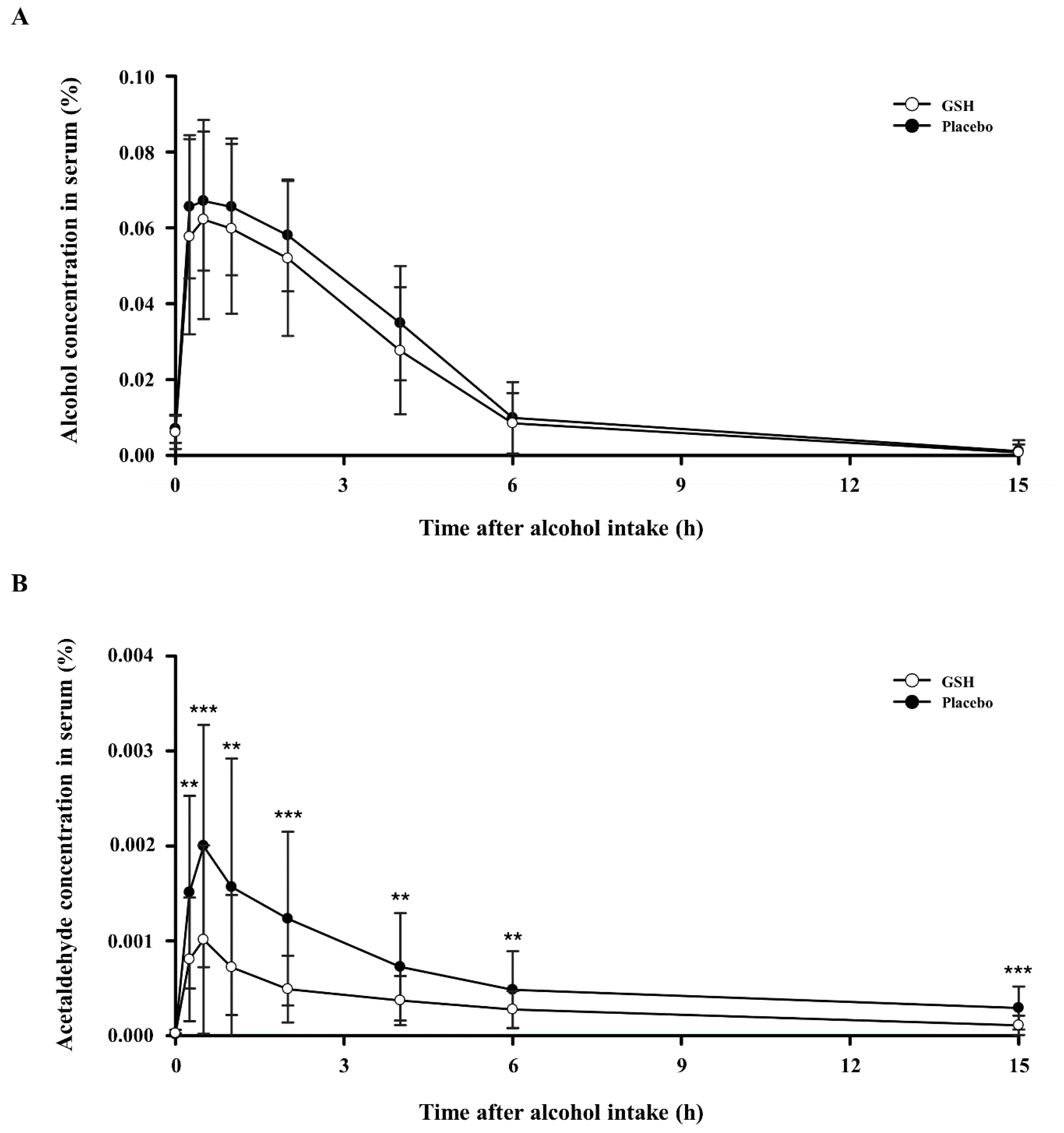
Research on glutathione as a supplement is still mixed. Some studies and mechanistic literature support its antioxidant role in the body, but translating that into consistent, real-world outcomes (like skin brightening, immune changes, or “detox” effects) is not straightforward.
When it comes to what should you not mix with glutathione, the strongest takeaway from a cautious consumer perspective is this: interactions and side effects often come from the combo rather than from glutathione alone. Even if glutathione itself is generally well-tolerated for many people, adding vitamin C at high doses, adding immune-active supplements, or pairing with certain medications can increase the chance of discomfort or complicate your body’s response.
Also, study doses, supplement forms, and participant health profiles vary. That means you can’t assume a benefit or risk seen in one context automatically applies to your routine, your gut health, or your medication list. The most responsible approach is to use conservative dosing, avoid stacking multiple “hot” actives at once, and watch how you feel.
Ingredients, Formats, and Quality Signals
If you’re trying to answer what should you not mix with glutathione in a practical way, start by choosing a product that’s transparent. In my experience as a reviewer, quality signals matter because they reduce variability—what you’re stacking with is only as predictable as what you’re taking.
- Product forms: reduced glutathione (often capsules), liposomal glutathione, glutathione + vitamin C blends, and some topical-adjacent products marketed for oral routines.
- Common ingredient pairings: vitamin C (to support recycling pathways), glycine or other supportive ingredients in certain blends, and sometimes plant extracts. “More ingredients” isn’t automatically bad, but it increases the number of variables when you’re trying to identify side effects.
- Quality standards to look for: clear labeling of glutathione form and amount per serving, third-party testing (or at minimum credible quality assurance), reasonable excipient lists, and no “proprietary blend” that hides glutathione dose.
- Dose expectations: many consumer products land in the ~250–500 mg/day range for oral glutathione, but higher doses exist. For first-time routines, conservative dosing is usually safer.
The product I’d personally feel most comfortable recommending for new users is one with a single, clearly stated glutathione dose, minimal extras, and a routine that’s easy to repeat. That way, if you get side effects you can identify the culprit—rather than guessing among five active ingredients.
Comparison of Common Options
| Format | Typical Dose/Use | Pros | Cons | Cost | Best For |
|---|---|---|---|---|---|
| Reduced glutathione (capsule/tablet) | 250–500 mg once daily | Simple label; easier to troubleshoot stacking | May cause mild GI discomfort in some people | $15–$35/month | First-time users & cautious stackers |
| Liposomal glutathione | Often 250–500 mg/day or per serving | Some users report better tolerance | More expensive; ingredient lists vary | $25–$60/month | People who want a gentler-feeling option |
| Glutathione + Vitamin C blend | Glutathione 250–500 mg + Vitamin C per scoop/capsule | Convenient pairing; supports antioxidant pathways | Vitamin C can worsen reflux for some | $20–$55/month | Vitamin C-tolerant routines |
| Powder sachets/sublingual blends | Per serving label varies; often 250–500 mg | Easy to adjust dose | Sweeteners/flavors may irritate some stomachs | $25–$70/month | Women who prefer dose flexibility |
| Multi-ingredient “skin/brightening” oral formula | Contains glutathione + other actives; dose varies | Synergy marketing; often includes supporting nutrients | Harder to identify side effects; more “mixing” | $30–$90/month | Experienced stackers with stable routines |
Buying Framework and Red Flags
Before you decide what should you not mix with glutathione, decide what you’re buying. A good product makes your routine easier to manage—especially if you’re someone who already takes vitamin D, magnesium, probiotics, or a multivitamin.
Quick checklist (use this when shopping):
- Does the label clearly state the glutathione form (reduced vs liposomal)?
- Is the glutathione amount (mg) clearly listed per serving?
- Is there a minimal “proprietary blend” hiding key doses?
- Is there third-party testing or credible quality assurance?
- Does the formula include extra actives that could complicate tolerability (immune boosters, very high vitamin C, etc.)?
- Do instructions suggest starting low or cycling?
Red flags I watch for: a label that hides glutathione dose, “detox” claims that sound absolute, aggressive marketing of dramatic results in days, and formulas that stack multiple immune-leaning botanicals without clear documentation. If you’re trying to answer what should you not mix with glutathione, fewer moving parts usually equals fewer surprises.
Common Mistakes and How to Avoid Them
Here are the most common consumer mistakes I see when women ask what should you not mix with glutathione:
- Starting multiple new supplements at once. If you add glutathione and two other actives on day 1, you’ll have trouble identifying what caused side effects.
- Overdoing vitamin C. Vitamin C is common in glutathione blends, but high doses can trigger reflux or GI upset for some people—especially when taken on an empty stomach.
- Stacking immune-boosters. Many immune-targeted supplements aren’t well standardized. If you’re sensitive, this is one of the combination patterns that can backfire.
- Ignoring medication interactions. If you take prescription drugs, especially those affecting immune function or blood-clotting pathways, you should treat supplement mixing as a “needs a review” situation.
- Believing “more is better.” Higher doses don’t automatically mean better results, and can increase side effects. For first-time users, conservative dosing is smarter.
FAQ
Is it proven what you should not mix with glutathione?
Evidence is stronger for general cautions—like avoiding high-risk mixing with certain medications and limiting multiple new supplements at once—than for a single universal “never mix” list. Many interaction concerns are context-dependent (dose, form, your health conditions, and your other products).
How long does it take to notice effects if you stop mixing glutathione with something?
If the concern is side effects (like nausea, headache, or reflux), some people notice improvement within a few days after removing the combination. If you’re looking for more general outcomes (like skin changes), timelines are longer and less consistent—often measured in weeks, not days.
What side effects can happen when glutathione is combined with other supplements?
Reported issues commonly include GI discomfort (stomach upset, queasiness), headaches, or reflux—especially in blends that also contain high vitamin C or additional actives. If symptoms are severe, stop the supplement and contact a clinician.
Can it combine with vitamin C, multivitamins, or immune-support supplements?
Vitamin C is a common pairing, and some people tolerate it well. The cautious approach is to avoid “stacking stacks”: don’t add a high-dose vitamin C product on top of a glutathione+vitamin C blend without considering total daily intake. For immune-support supplements, be especially conservative and consider separating starts by at least a few days.
Is oral glutathione different from injection or alternatives, and what does that mean for mixing?
Oral glutathione and injection/medical alternatives are different routes with different oversight and risk profiles. This affects mixing because medical products may interact with health conditions and medications differently. For injection or prescription/clinic-administered alternatives, decision-making should involve a clinician rather than DIY stacking.
A Practical 2-Week Experiment Framework
If your goal is to figure out what should you not mix with glutathione for your own body, try a structured mini-experiment rather than guessing. This is a consumer approach that emphasizes safety and signal clarity.
- Days 1–3: Choose one glutathione product (single dose, no additional “immune/brightening” add-ons). Take it at the same time daily. Keep your other supplements stable.
- Days 4–7: If you tolerate it, add only one “usual” item if you already take it (like your multivitamin). Don’t introduce new products. Track GI comfort, headaches, energy, and any skin changes.
- Days 8–10: If you currently take a glutathione-containing blend with vitamin C, check whether you also take extra vitamin C elsewhere. If yes, pause the extra source to see if symptoms change.
- Days 11–14: Decide what you’ll keep. If you had side effects, stop the combination and keep only the single variable that was tolerated (often the plain glutathione product at conservative dose).
Stop-and-pause red flags: severe rash, swelling, intense abdominal pain, persistent vomiting, or symptoms that escalate. If you’re on prescription medications that could be affected by immune or clotting pathways, get clinician input before experimenting with new stacks.
About the Author
Ava Reynolds is a consumer supplement reviewer who focuses on practical testing notes for women in their late 30s and early 40s—how products feel, how routines fit into real schedules, and which labels make it easier (or harder) to troubleshoot side effects. My work includes tracking ingredient transparency, dose clarity, and tolerance over time rather than relying on marketing claims. This article is for education and routine planning; it isn’t medical advice or a substitute for clinician guidance—especially if you take medications or have a chronic condition.
Discussion